A Thoughtful Guide to Allergy-Friendly Flowers: Key Points
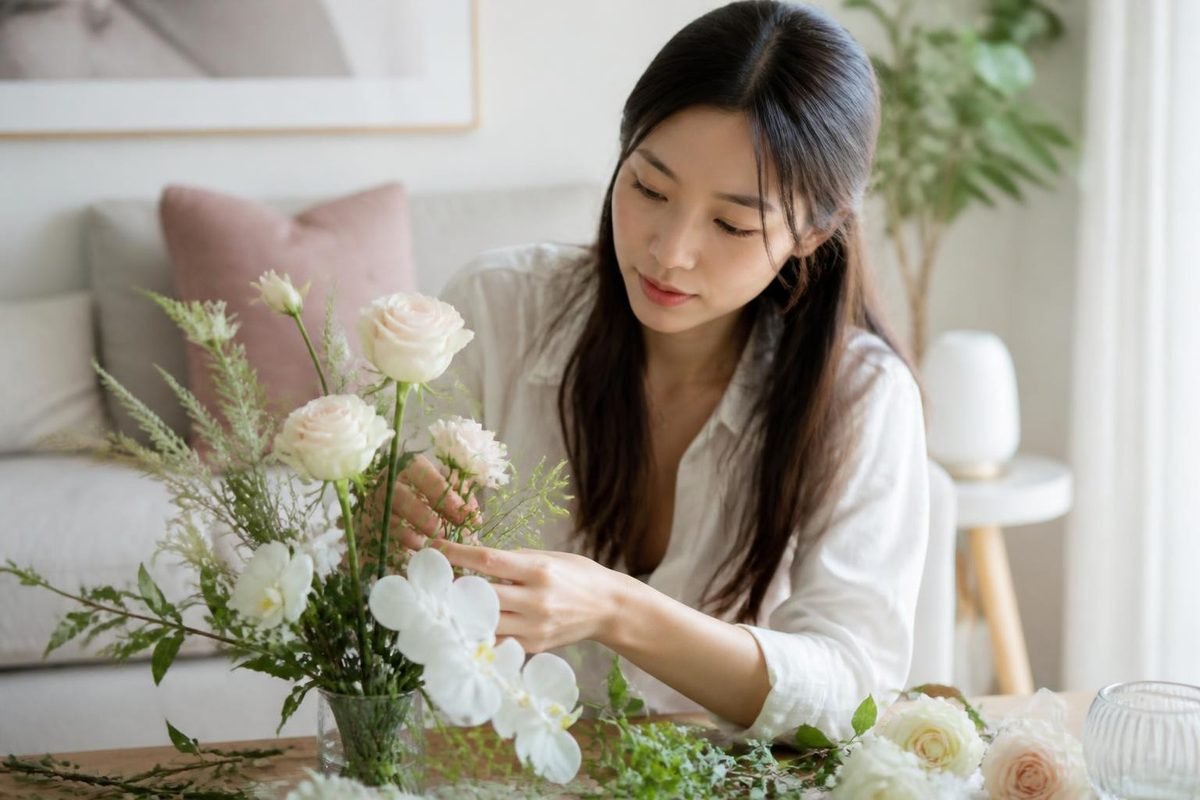
Roses and orchids are often more suitable for people with pollen allergies because their pollen is less likely to float into the air than pollen from wind pollinated plants. No flower works for everyone, so check the recipient’s allergies and sensitivity to scent before choosing a bouquet.
Consider roses or orchids first
Roses are a familiar option, and many types keep pollen tucked among their petals. Still, a rose can trigger symptoms in someone sensitive to it, while its fragrance may trouble someone who reacts to smells. If possible, select roses with little or no scent.
Orchid pollen is grouped into small masses instead of falling as loose, dusty grains. For someone who likes a plant that lasts, a potted orchid may be a good choice. First make sure the recipient is comfortable with one, since people’s allergies and sensitivities differ.
Neither choice guarantees that someone will feel well around the flowers. Use what the person already knows about their own reactions to guide your decision.
Check the whole arrangement
The main blooms are only part of a bouquet. Filler flowers, greenery and added fragrance can also affect someone’s comfort. Ask what else will be included, and request a straightforward arrangement without strongly scented extras.
A reaction to fragrance is not the same as a pollen allergy. Strong floral smells can be unpleasant or cause symptoms even when pollen is not responsible. Skip scented sprays and perfumed wrapping, as well as blooms with a heavy scent.
Think about other people who may share the space, especially at work or in a hospital room. A modest arrangement with little scent is easier to accommodate than a large, fragrant one. Before sending flowers to a hospital, check its rules.
Use care with certain flowers
Some people are sensitive to members of the daisy family, including chrysanthemums and sunflowers. Ragweed belongs to this same plant family, so a ragweed allergy may be relevant. That does not mean everyone allergic to ragweed will react to every flower in the family, but ask before adding these blooms.
Lilies may have a strong fragrance and exposed pollen that can leave stains. Taking off their anthers can limit loose pollen, but it cannot make lilies suitable for everyone. They are also highly toxic to cats, so do not include lilies in flowers for a home with cats.
Choose with the recipient in mind
A short conversation before placing an order can help avoid an unpleasant surprise. Ask what flowers the person avoids, whether fragrance causes trouble and whether they have pets at home. If they have experienced a severe reaction to flowers, follow their own guidance.
Fresh flowers may not be welcome for everyone. In that case, a card or a gift that is not floral may be a more considerate choice.
Roses or an orchid may suit some people, but the right gift depends on the recipient’s health and home. Checking first is a simple way to make the gesture easier to enjoy.
Continue with flower shop SEO guide